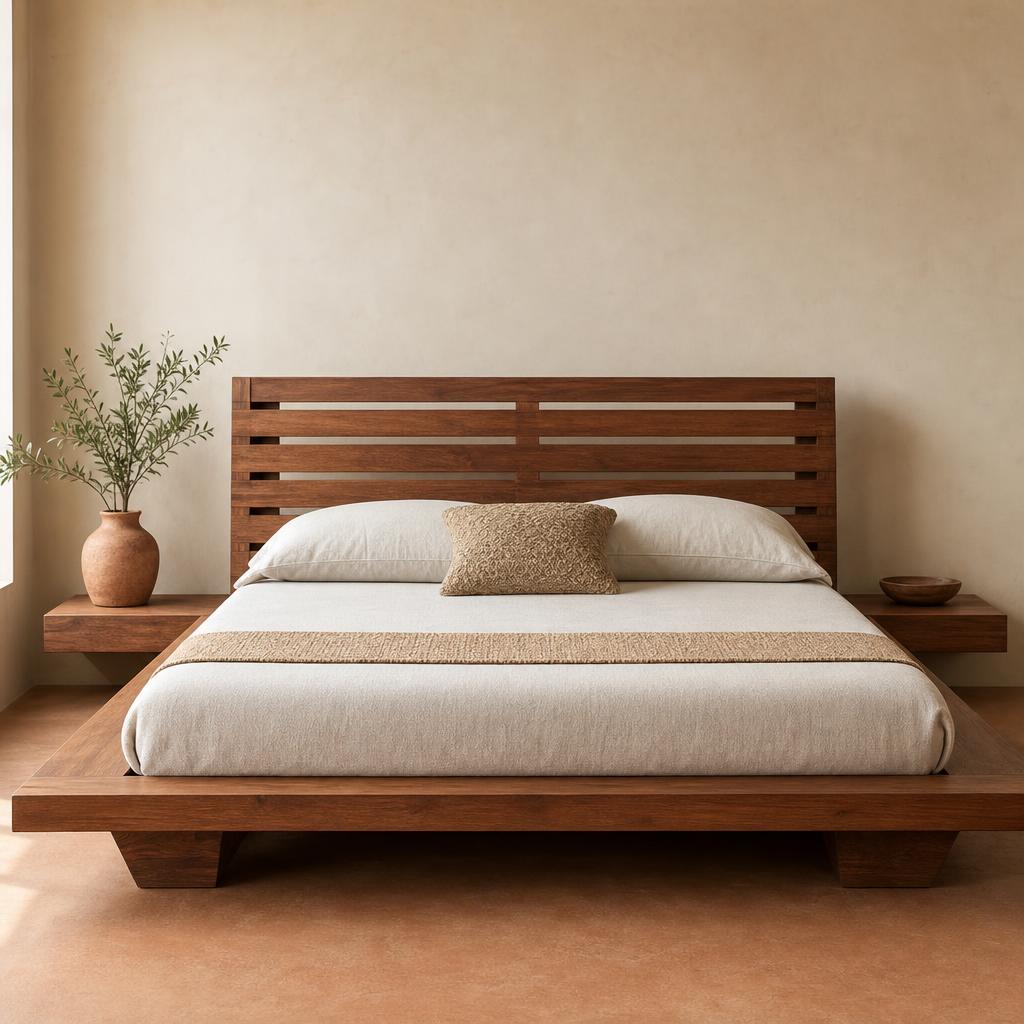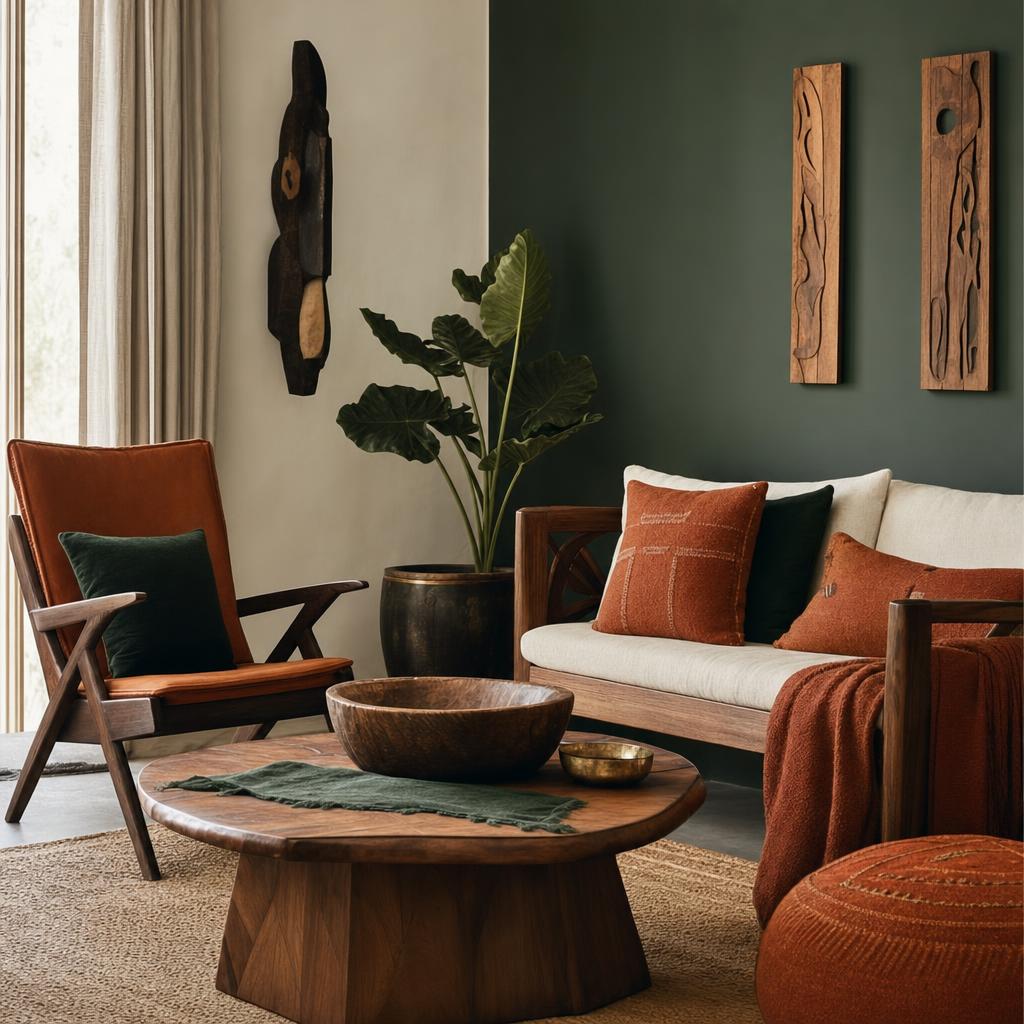
Declared bias up front: we build furniture in Ghana. But the case for locally made furniture doesn't need our thumb on the scale — it needs one rainy season.
The climate argument
Imported furniture is kiln-dried for European or Asian humidity. Ghana's air is wetter, then drier, than anything it was engineered for. The results arrive within two years: lifted veneers, cupped tops, doors that stick every June. Locally made hardwood furniture — dried here, for here — simply doesn't fight its environment.
The money argument
The showroom price of imported furniture hides freight, duty and clearing. Piece for piece in real solid wood, a Ghanaian workshop is usually at or below the imported equivalent — see our published prices. Where imports win on price, look closely: it's chipboard winning, not furniture.
The repair argument
Solid local furniture can be sanded, re-oiled, re-caned and re-upholstered by the workshop that built it — ours carries a five-year structural warranty and we still service pieces from the God First years. Imported flat-pack is unrepairable by design.
Where imports genuinely win
Honesty: metal office chairs, glass, appliances, and true mass-market budget pieces. Wood is where local wins outright.
The full case, timber by timber, lives on our handmade furniture in Ghana page.
Shop the craft
See these woods and techniques in our handcrafted collections: living room furniture, dining room furniture, bedroom furniture, office & study furniture, outdoor furniture — all made to order in our Spintex Road workshop, or commission a custom piece.