The Odum standard
Handmade furniture in Ghana, the way it should be made.
For thirty years our family workshop on Spintex Road, Accra has built handmade furniture in solid Ghanaian hardwood — cut, joined, caned and finished by hand, priced honestly in cedis, and made to outlive the people who ordered it.
What handmade means here
Joined, not stapled. Built, not assembled.
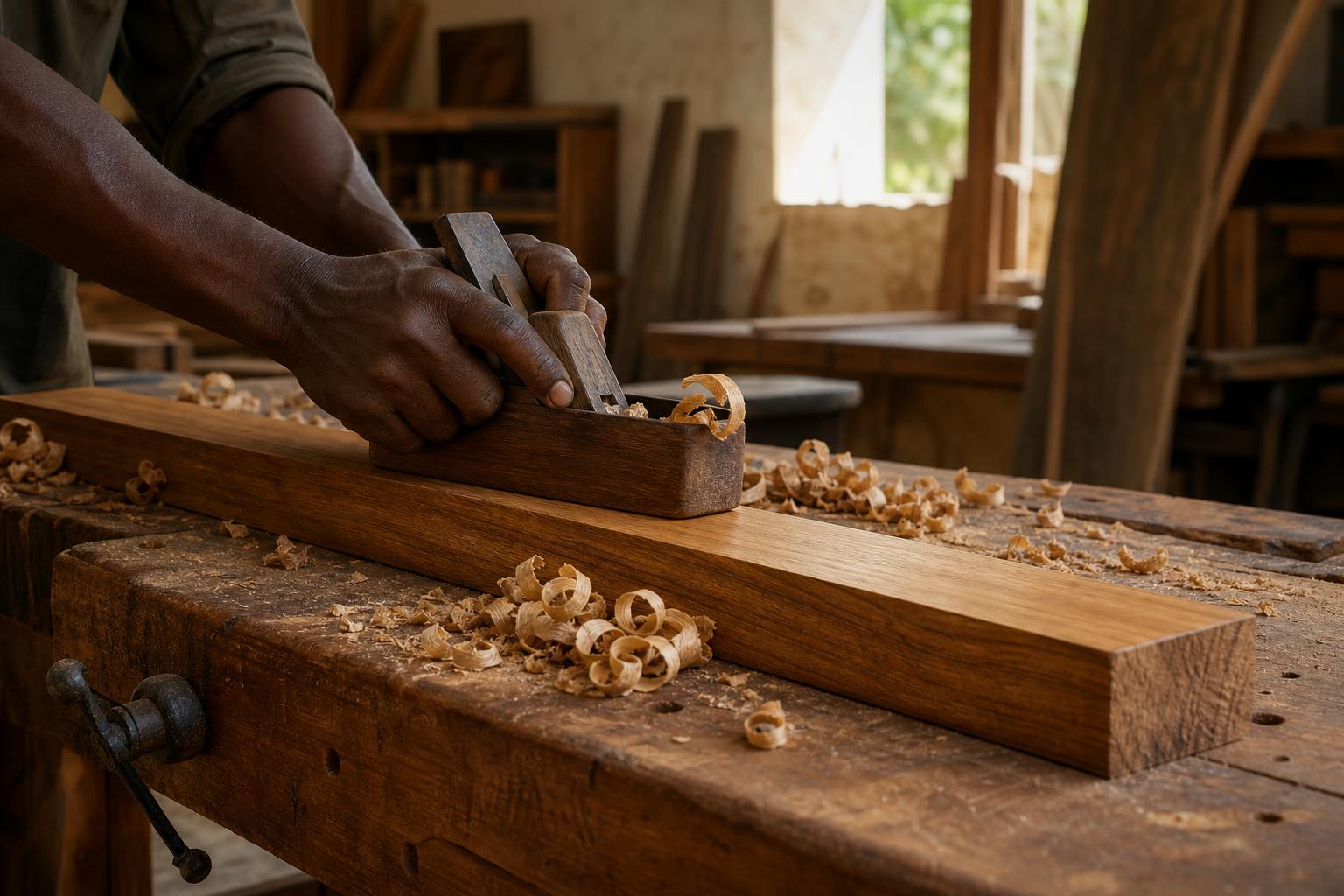
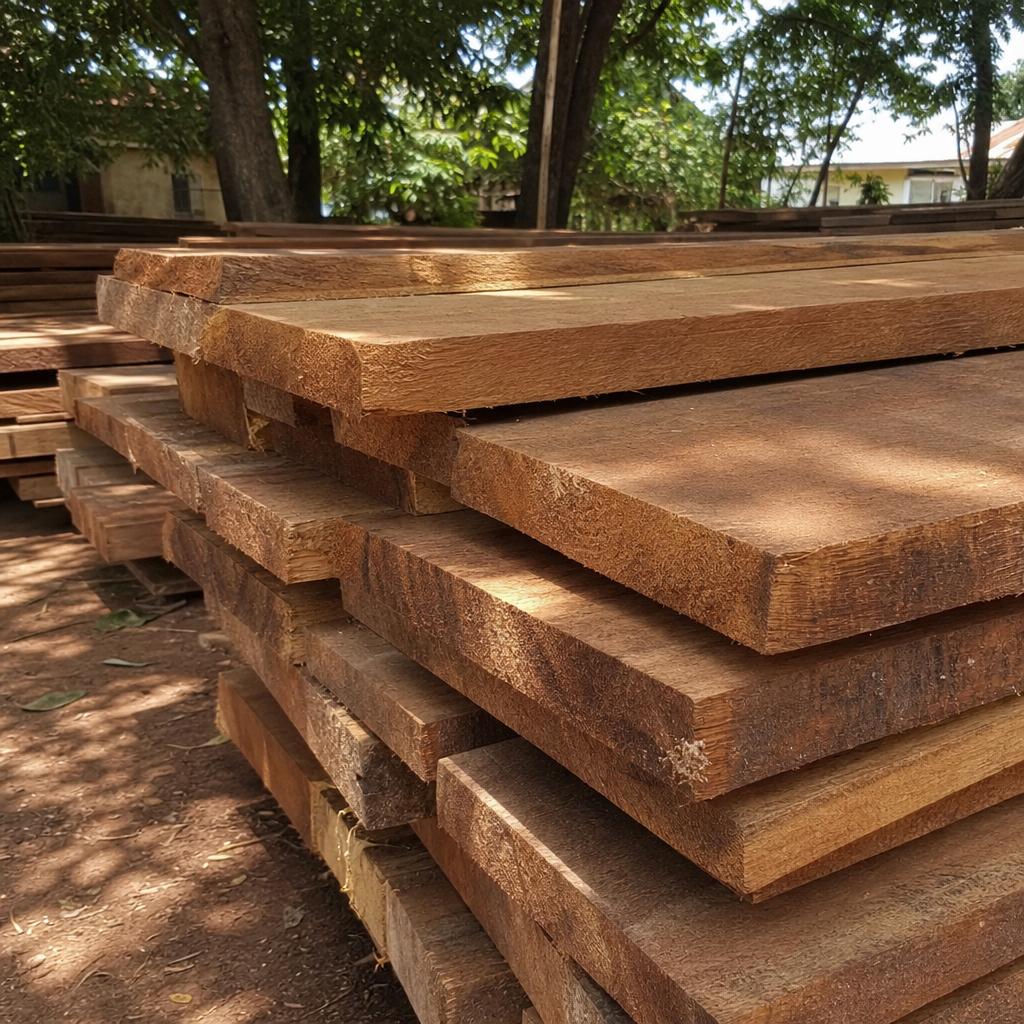
Most furniture sold in Ghana today is imported flat-pack: veneer over chipboard, stapled and glued, dried for a European climate and quietly falling apart in ours. Handmade furniture is a different product entirely. At Odum, every piece begins as rough-sawn Ghanaian timber in our own yard. It is kiln-dried and rested for our humidity, cut and joined by craftsmen trained through a four-year apprenticeship, and finished by hand — so it can be sanded, re-oiled and repaired for decades instead of replaced.
That is what "handmade furniture in Ghana" means on this page: locally made, from local hardwood, by local hands — not imported furniture with a made-in-Africa sticker.
The timber
Solid wood furniture, in Ghana's own hardwoods
We build in three timbers, all sourced and dried in Ghana:
Odum (iroko)
The wood we named ourselves after — naturally termite-resistant, remarkably stable through harmattan and rainy season, and golden-brown grain that deepens with age. The backbone of our dining tables and center tables.
Teak
Naturally oily and weatherproof — our choice for outdoor furniture and lighter-toned interior pieces.
Mahogany
Stable, carveable and rich-toned — the furniture-maker's wood for beds, wardrobes and detailed work.
Every board passes through our own kiln before it is cut — the single discipline that separates hardwood furniture that lasts from wooden furniture that cracks in its second Accra rainy season. Read more in our guide to the best wood for furniture in Ghana.
Buyer's guide
How to judge handcrafted furniture in Accra
Anyone shopping for handmade furniture in Accra learns quickly that the label is used loosely — roadside workshops, showrooms and importers all claim it. Handcrafted furniture is sold on trust, so here is the same advice we give visitors to our own showroom, even when it costs us a sale:
Open a drawer. Hand-cut dovetails and pegged joints are the signature of genuinely hand made furniture in Ghana; staples and butt-joints under a nice veneer are the signature of a future repair bill.
Ask the kiln question. "Was this timber kiln-dried, and where?" A real workshop answers instantly. Air-dried-in-a-hurry timber is the number one reason locally made furniture gets an unfair reputation for cracking.
Lift a corner. Solid odum and mahogany are heavy. If a "solid wood" dining table lifts like a suitcase, it isn't one.
Ask who built it. Ghana made furniture at its best has a name and a bench behind it. Our craftsmen sign off every piece — and you can meet them on a workshop visit.
And if you're searching for handmade furniture near you in Accra — Spintex, East Legon, Tema, Osu or anywhere in the city — the honest shortcut is to visit the workshop before you pay a deposit anywhere. Ten minutes watching a bench tells you more than any showroom floor: whether the timber is stickered and drying properly, whether the joinery is cut or stapled, and whether the people building your furniture will still be there when it needs oiling in five years. Ours have been on Spintex Road since 1996; come and see us.
The collection
What we make by hand
Every category below is built to order in Accra with its price published in cedis — no quotation mystery.
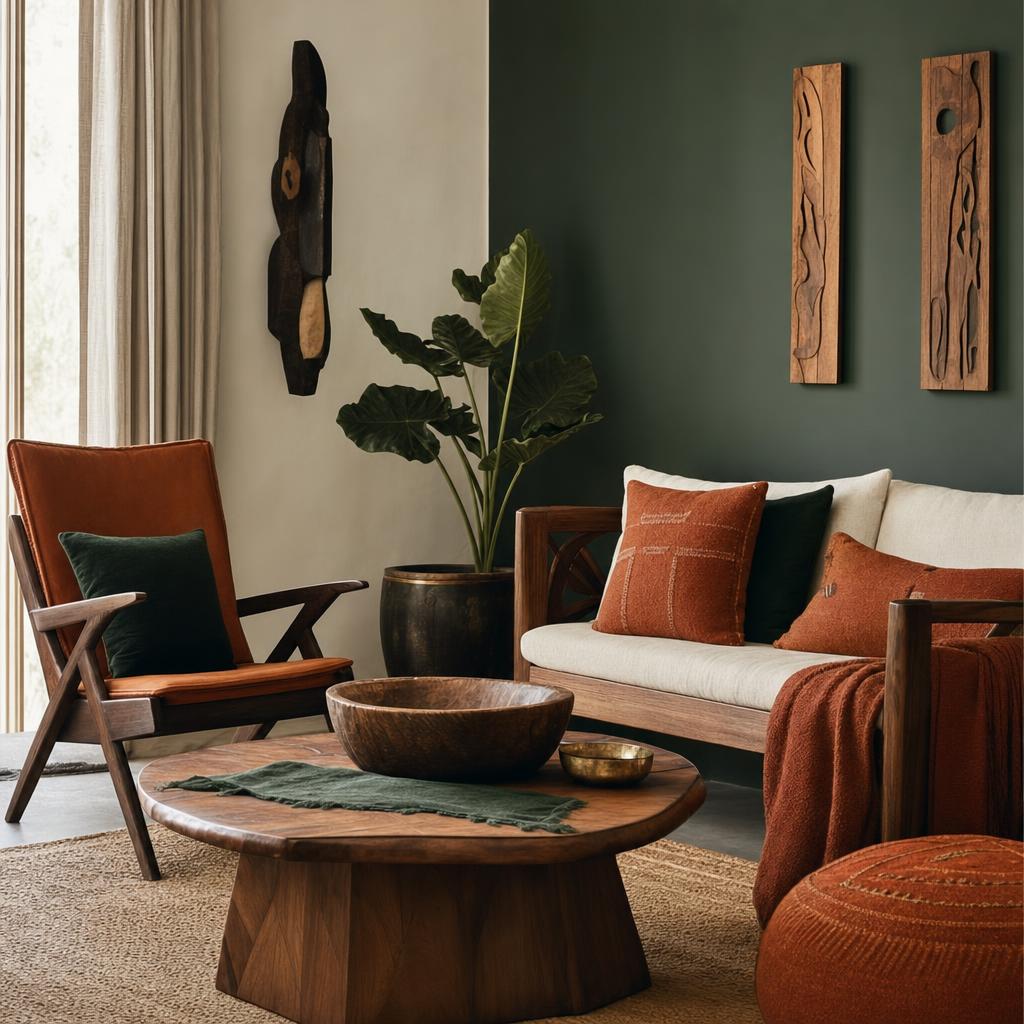
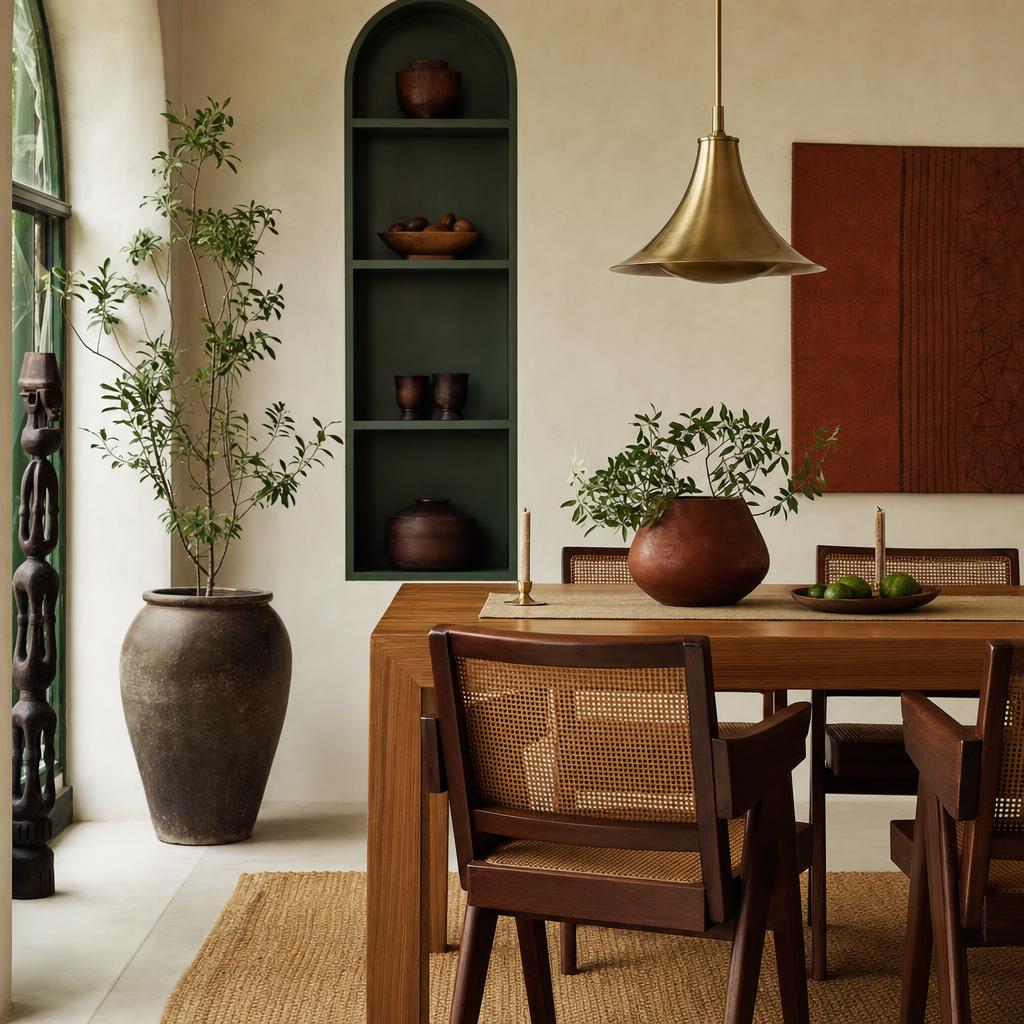
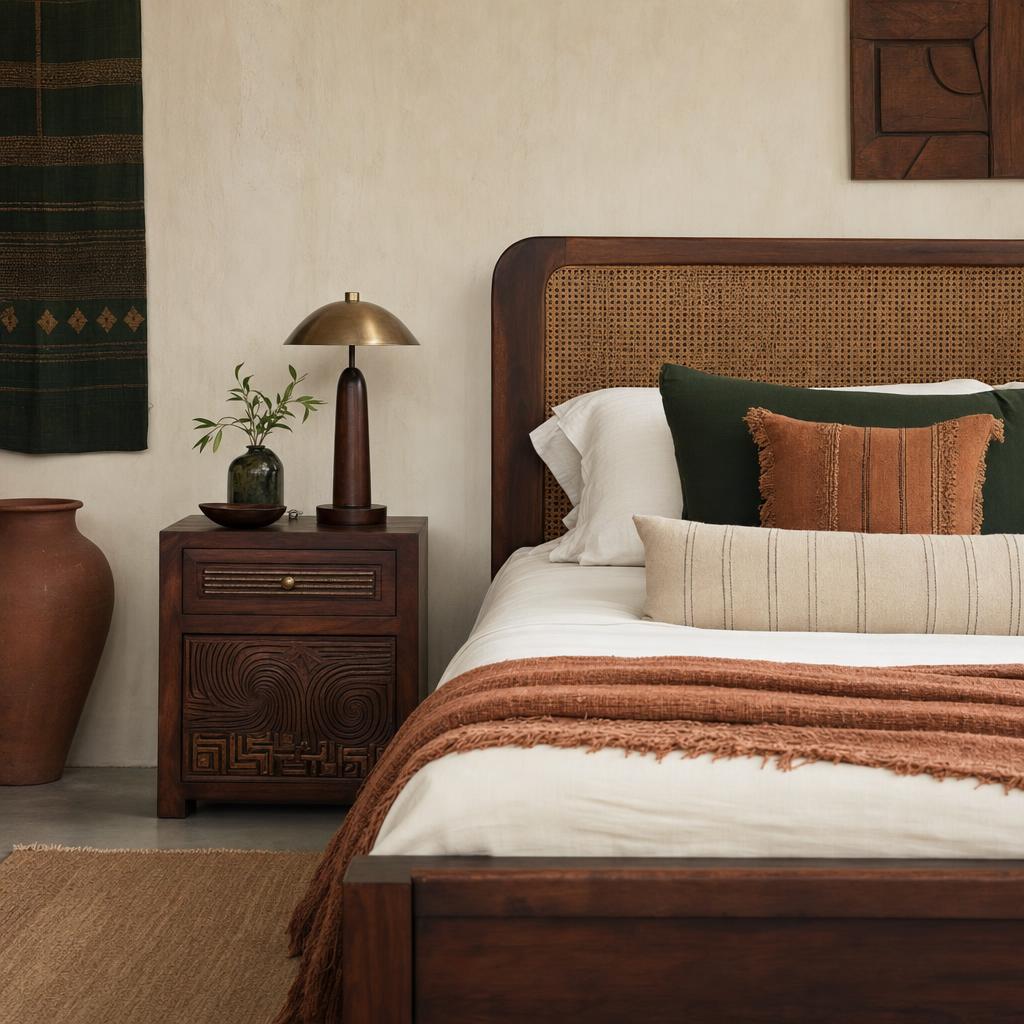
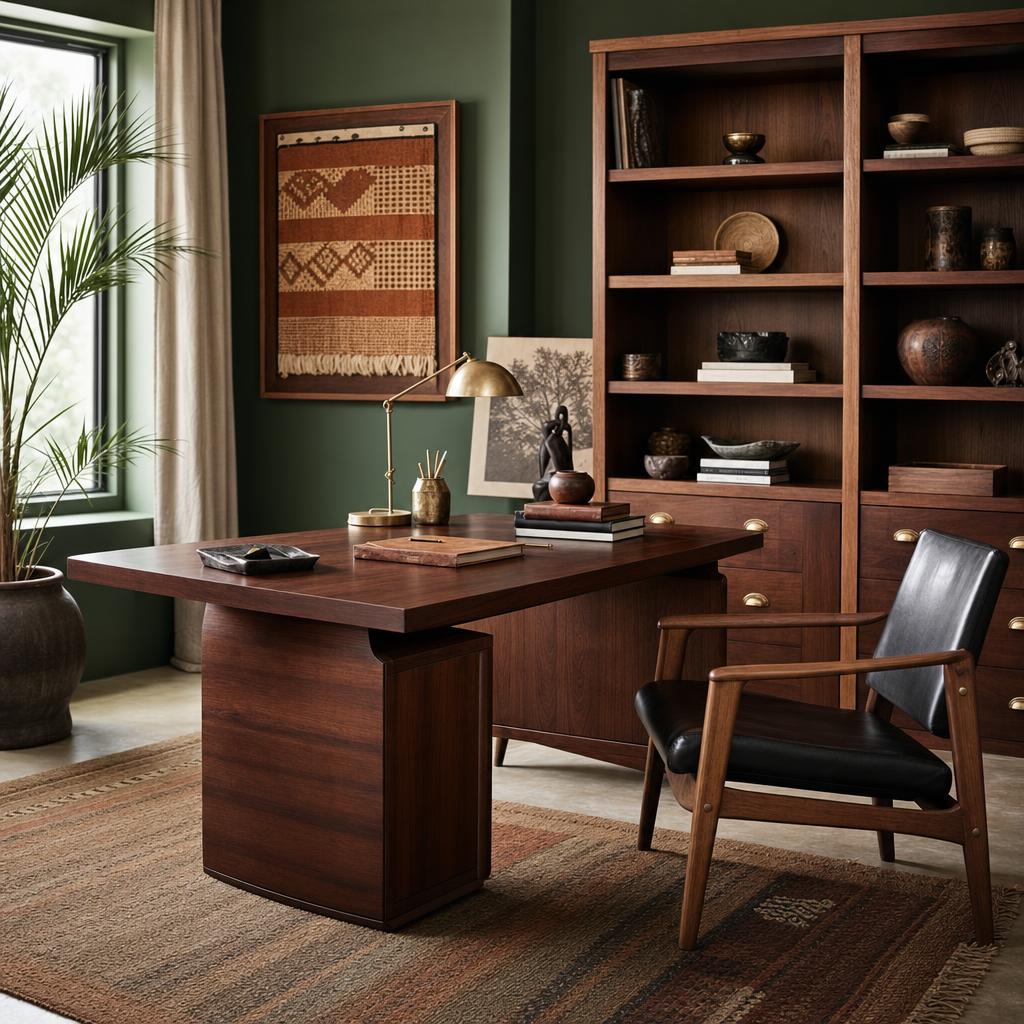
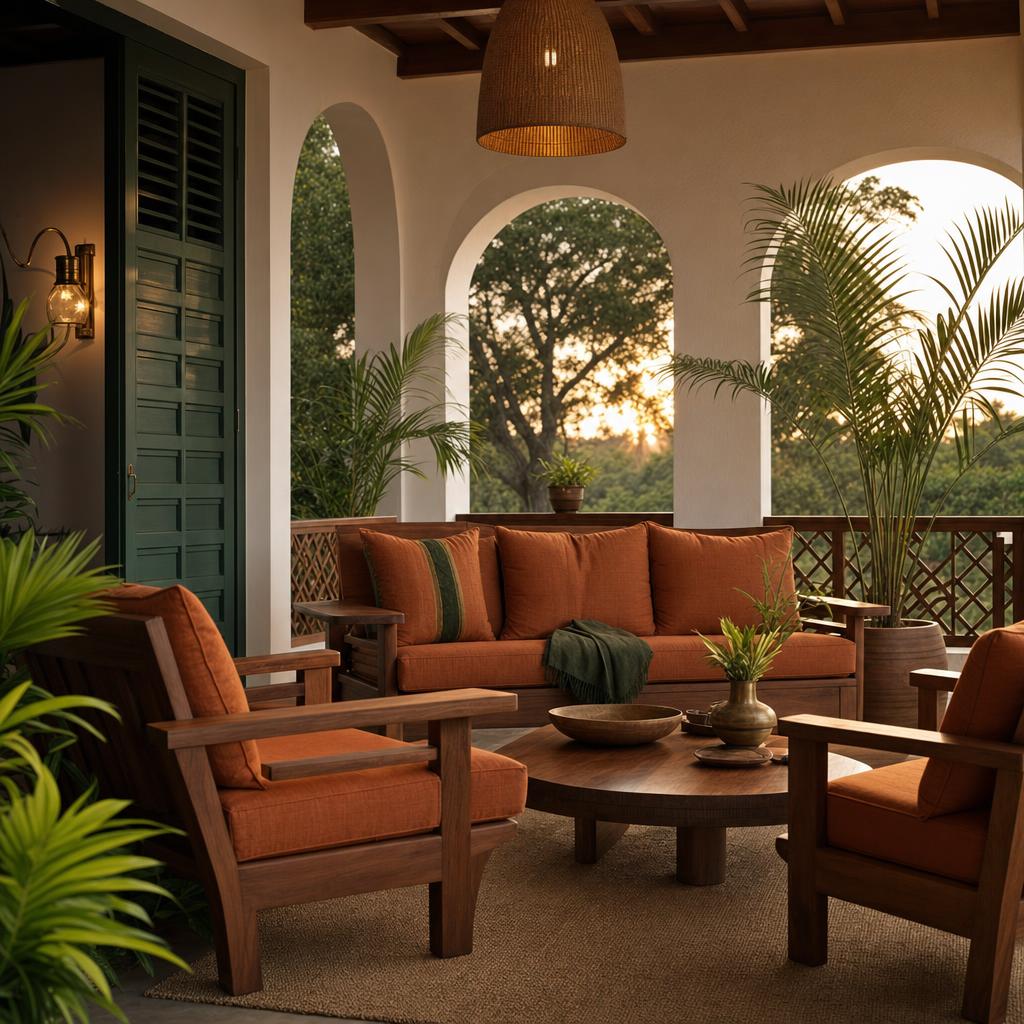
Looking for something specific? Handmade sofas, dining sets, beds, wardrobes, center tables, accent chairs, office furniture and outdoor furniture — or rattan & cane pieces woven in-house.
Since 1996
Thirty years of locally made furniture
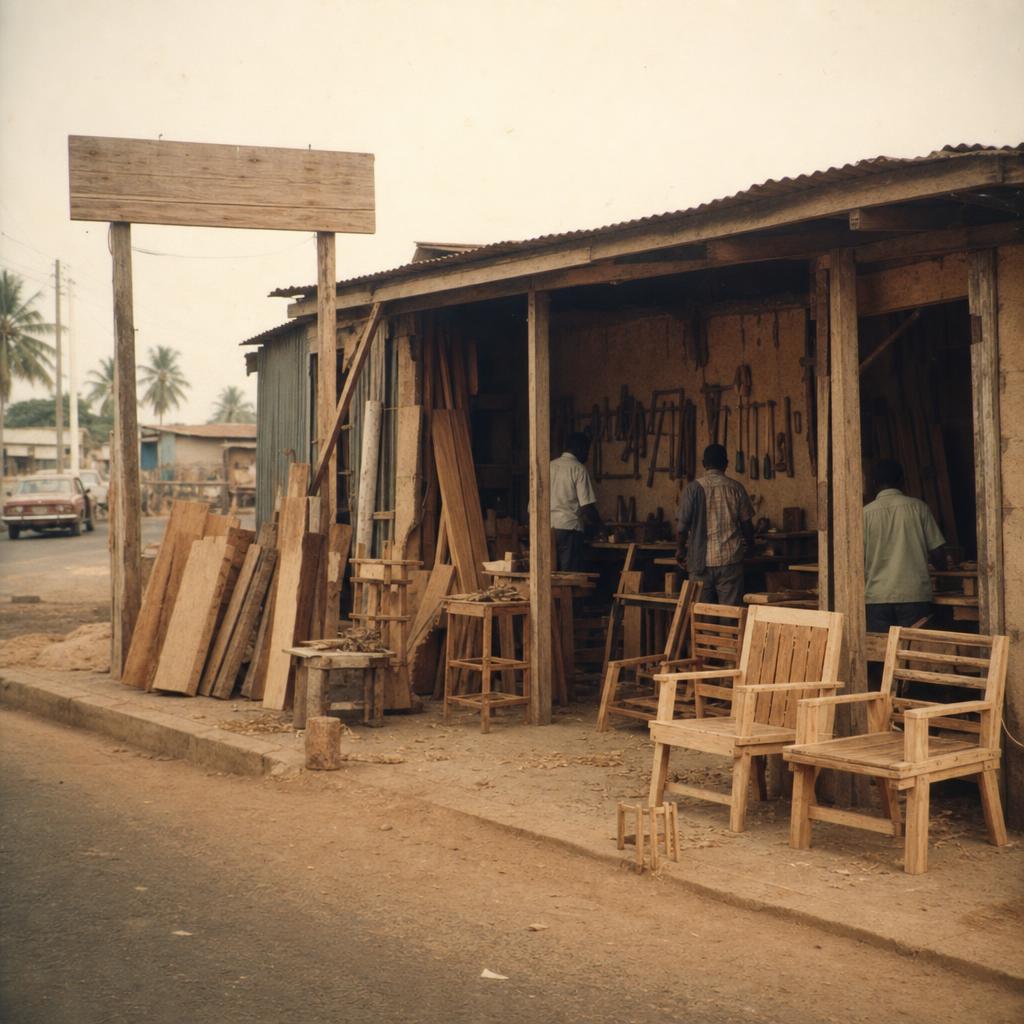
Odum Furniture began in 1996 as God First Furniture Works — a roadside carpentry shed on Spintex Road. Three decades and more than forty trained craftsmen later, the same family runs the same workshop, and the founder still inspects every piece that leaves it. When you buy made-in-Ghana furniture from us, you're buying from the generation that built the last generation's furniture too.
Handmade doesn't mean handmade-shaped, either: artisanal furniture from our benches carries the small differences in grain and finish that mass production can't fake — every piece signed off at the bench it was built on. Read our full story, or visit the Spintex showroom and see the joinery up close.
Design language
African handmade furniture, designed for today
African handmade furniture is having its moment on the world stage, and Ghana's workshops belong at the front of it. Our pieces are contemporary African furniture in the truest sense: named for Ghanaian places — Bosomtwe, Elmina, Larabanga — carved with patterns drawn from adobe walls and painted houses, woven with the cane techniques our region has used for generations, and built in the hardwoods that grow here.
That is what separates artisanal furniture from imported furniture wearing an African print cushion. Every piece is made in Ghana, by Ghanaians, from Ghanaian timber — and because our diaspora ordering service ships nationwide and coordinates internationally, made-in-Ghana furniture now furnishes homes from East Legon to East London.
Handcrafted furniture in Ghana doesn't have to choose between heritage and modern design. Thirty years at the bench taught us it's the same thing: the joints are traditional because they work; the lines are contemporary because life is.
Buying handmade
How buying handmade furniture in Ghana works
Most furniture companies in Ghana import their stock; we build ours — and unlike a typical online furniture store in Ghana, every price you see funds a piece made for you, not a container from abroad.
1. Choose or commission. Pick a piece from the catalogue — every one shows its price in cedis, its timber and its dimensions — or bring us a photo, a drawing or an idea for a custom piece made in Accra.
2. Confirm in writing. Your invoice states the piece, wood, size, finish, price and lead time (typically 4–8 weeks — see prices & lead times). A 50% deposit starts the build.
3. Delivered anywhere in Ghana. We deliver and install across Accra and arrange transport nationwide — and we take orders from abroad over WhatsApp with photos at every stage.
Questions
Handmade furniture in Ghana — FAQs
Is odum wood durable enough for furniture?
Exceptionally so. Odum (iroko) is naturally termite- and rot-resistant, holds joinery for decades, and is the traditional choice for Ghanaian doors, pews and heirloom furniture. The pews we built in 1999 are still in weekly service.
What wood do you use for your furniture?
Solid odum (iroko), teak and mahogany — all Ghanaian, all kiln-dried in our own yard for our climate. We never use veneer or chipboard in structural parts.
Is locally made furniture better than imported furniture in Ghana?
For solid wood, yes — imported furniture is dried for European humidity and often cracks or swells within two rainy seasons here. Locally made hardwood furniture is dried for local conditions, can be repaired by the workshop that built it, and supports Ghanaian craftsmen.
Do you publish your prices?
Yes — every catalogue piece shows its price in Ghana cedis, with "from" prices for made-to-order items. See our prices and lead times page for the full overview.
Can I order handmade furniture from outside Ghana?
Yes — diaspora orders are a large part of our work. Everything is confirmed over WhatsApp with photos at every stage, and we deliver and install anywhere in Ghana before you arrive.
Where can I buy handmade furniture in Accra?
Our showroom and workshop share one yard on Spintex Road, Accra — minutes from East Legon and Tema, visits by appointment. Or browse this site: every handcrafted piece is published with its price in cedis and can be ordered online or over WhatsApp.