People ask us one question more than any other: what is the best wood for furniture in Ghana? After thirty years of building — first as God First Furniture Works, now as Odum Furniture — our answer hasn't changed much. It depends on the piece, the room and the budget. Here is the honest comparison we give customers in our Spintex showroom.
Odum (iroko) — the benchmark
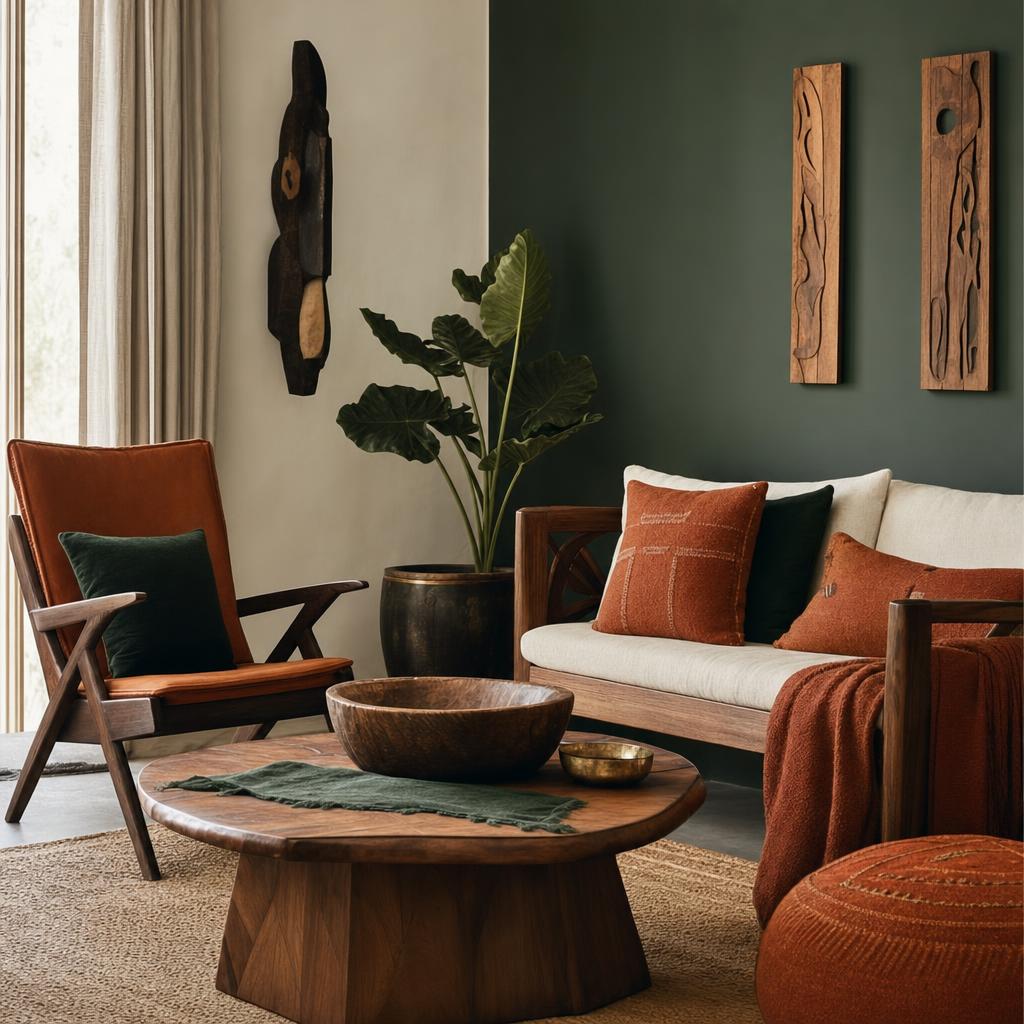
Odum is the timber we named ourselves after, and for good reason. It is dense, naturally oily and highly resistant to termites and rot — which is why old Ghanaian doors and church pews in odum are still in service after fifty years. It machines beautifully, ages from gold to deep amber, and holds joints like it wants the furniture to last. We use it for dining tables, center tables, bed frames and anything that must survive generations — pieces like our Akosombo coffee table and the Elmina dining set are cut from it. If your budget allows exactly one solid-wood piece, make it odum.
Teak — the outdoor king
Teak's natural oils make it the most weather-resistant timber we work with. It shrugs off rain, sun and humidity, which makes it the obvious choice for veranda and garden furniture — and a beautiful, slightly lighter-toned option indoors. It costs more than odum in most board sizes.
Mahogany — the furniture-maker's wood
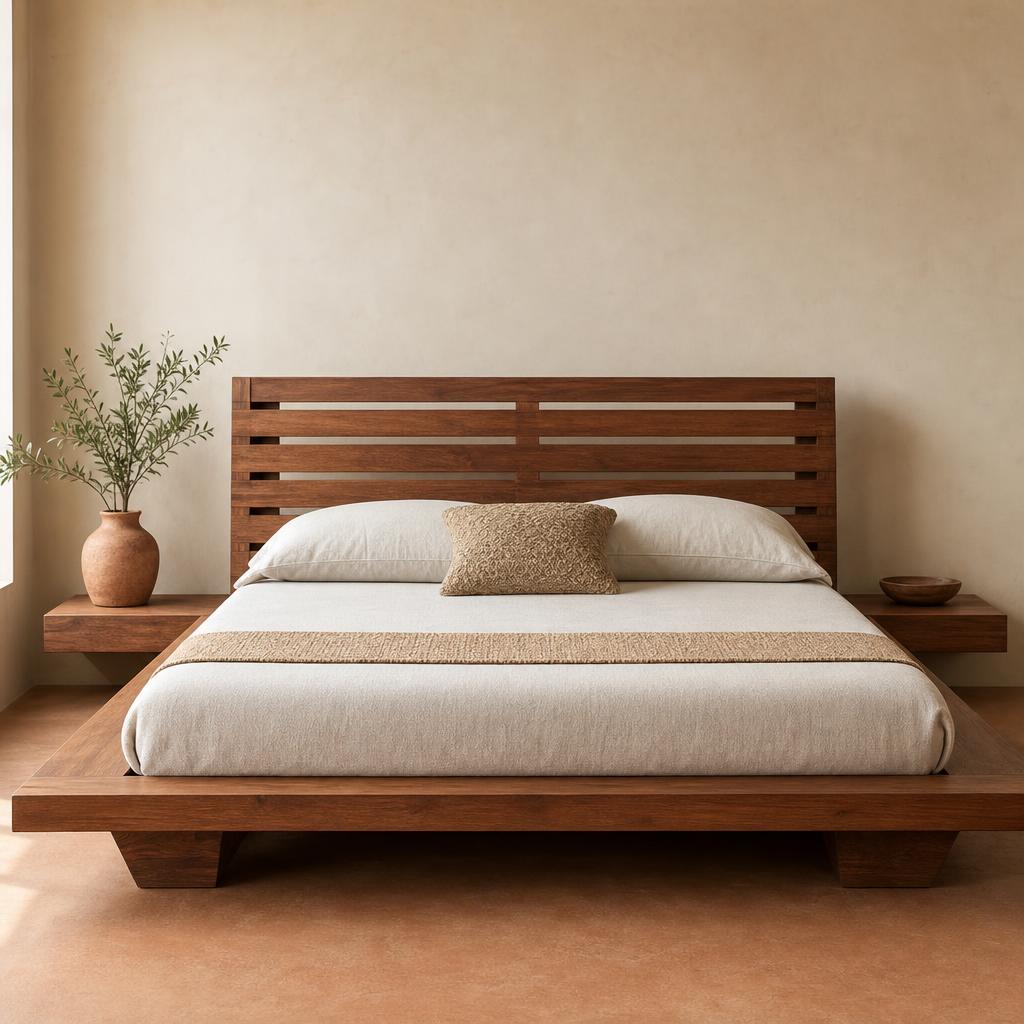
Genuine African mahogany is stable, carves like a dream and takes a finish better than any other local timber. That stability matters in Ghana's climate: wide tabletops and wardrobe doors in mahogany stay flat through harmattan and rainy season alike. We reach for it on beds, wardrobes and carved detail work — the Mole king bed and Kumasi wardrobe are both solid mahogany.
Wawa — the honest budget option
Wawa is light, inexpensive and easy to work — good for painted pieces, drawer internals and shelving that won't carry heavy loads. What it is not good for is structural furniture in a termite-prone environment. If a quote for a "solid wood" dining set seems too good to be true, ask whether the frame is wawa.
What about imported woods?
Imported oak and walnut furniture arrives kiln-dried for European humidity, not ours. We've repaired too many imported tables that cracked within two years of an Accra rainy season. Local timber, dried locally for local conditions, simply behaves better here — one of many reasons to buy locally made furniture.
The rule we build by
Whatever the species: the board must be kiln-dried and rested before it is cut. Since 2018 every board in our yard passes through our own kiln. That single discipline prevents more cracked tops and stuck drawers than any wood choice ever will.
Still unsure? Ask us — we'll recommend a timber for your piece and your budget, and we publish our prices in cedis so you can plan honestly.
Shop the craft
See these woods and techniques in our handcrafted collections: living room furniture, dining room furniture, bedroom furniture, office & study furniture, outdoor furniture — all made to order in our Spintex Road workshop, or commission a custom piece.